Stop Wasting Money on Your Bike: How Regular Cleaning and Smart Tracking Pay for Themselves

Quick answer: A dirty chain costs 3 to 12 watts and grinds down the cassette and chainrings behind it; a €30 to €80 chain replaced at 0.5% elongation protects parts worth several hundred euros. Two habits pay for themselves: clean and lube the drivetrain after wet or gritty rides, and track each part's distance so replacements happen at the threshold instead of after the damage.
Most cyclists spend hundreds — sometimes thousands — upgrading their bikes every season. Lighter wheels, stiffer frames, ceramic everything. But the biggest performance and financial gains don't come from new parts. They come from looking after the ones you already have.
Two habits separate riders who get the most out of their equipment from those who quietly burn money: keeping your bike clean and knowing exactly when each part needs attention. Together, they form a maintenance strategy that saves real money, preserves real speed, and keeps you out of the workshop.
The True Cost of a Dirty Drivetrain
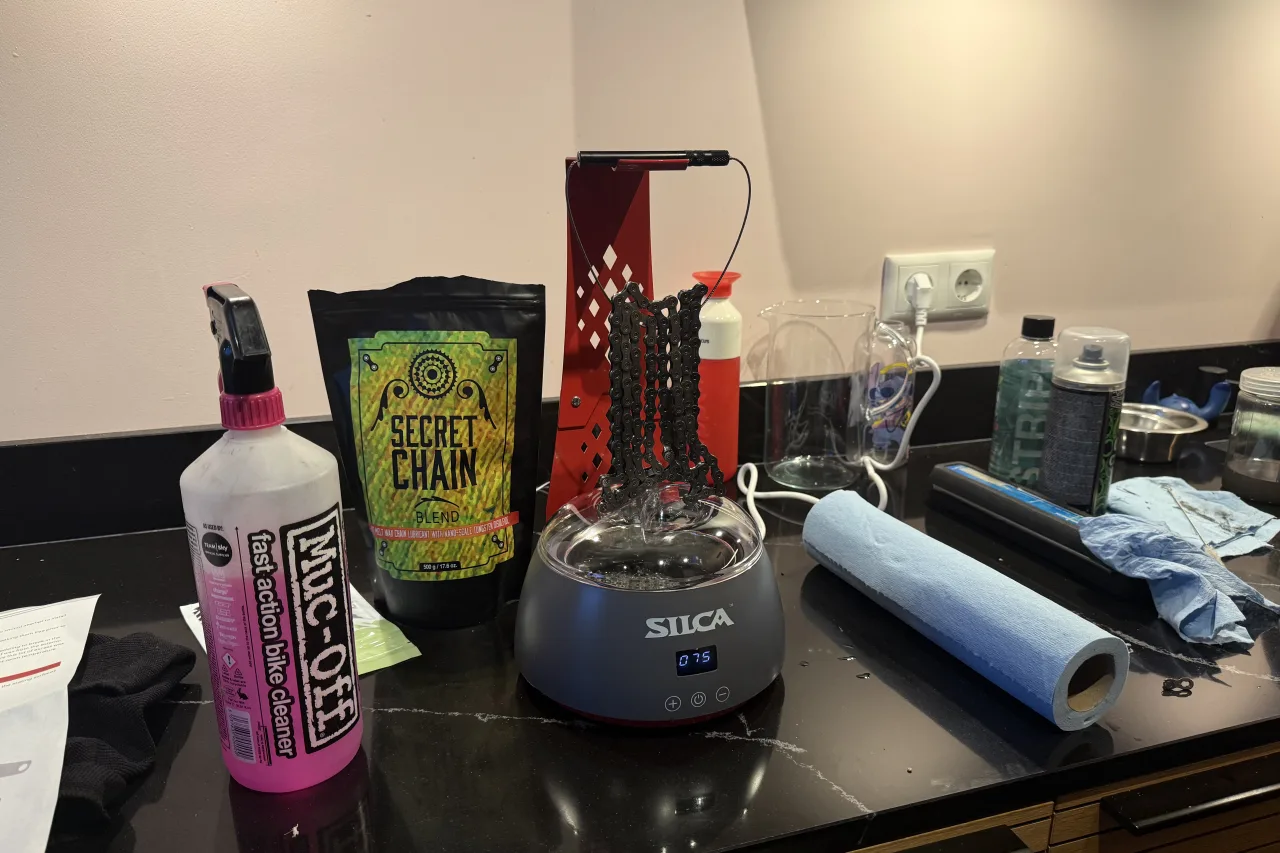
A grimy chain does not just look bad. It actively drains your power and accelerates wear across your entire drivetrain. Independent testing has shown that a contaminated chain can lose between 3 and 12 watts of efficiency compared to a clean one — depending on how bad things have gotten. At 250 watts of effort, a 5-watt penalty means roughly 2% of your power never reaches the back wheel.
But the energy loss is only the beginning. Grit trapped between chain links acts like sandpaper on every surface it touches. Each pedal stroke grinds tiny particles into your cassette teeth and chainrings. Over weeks and months, this abrasion reshapes the tooth profiles until they no longer mesh properly with the chain. By the time you hear skipping or feel rough shifts, the damage is done — and replacing a cassette costs five to ten times more than replacing a chain.
This is why regular cleaning is not just about aesthetics. It is the cheapest form of component protection available to any rider.
Beyond the Chain: Why a Clean Bike Is a Faster Bike
Drivetrain grime is the most obvious culprit, but contamination affects performance in subtler ways too. Wind tunnel testing has demonstrated that a layer of road film, dried mud, or dust on frame surfaces and cables measurably increases aerodynamic drag. The penalty might be small at low speeds — fractions of a watt — but it compounds at race pace and across long distances.
Dirty derailleur pulleys spin with more resistance. Contaminated brake callipers create drag you cannot feel but your power meter can detect. Even dried sweat and road spray on cables increases friction and degrades shift quality over time.
A simple post-ride wipe-down and a weekly deep clean address all of these issues. The supplies cost a few euros. The time investment is fifteen to twenty minutes. The return — in watts preserved and parts protected — far outweighs any equipment upgrade at the same price point.
When Should You Actually Clean Your Bike?
Let's be honest. You've just come home from a three-hour ride in the cold. Your legs are heavy, your kit is soaked, and the last thing on your mind is grabbing a bucket and a brush. We get it. Nobody finishes a hard ride dreaming about degreaser.
But here's the thing: don't let your bike hang dirty. The longer contamination sits on your drivetrain, the deeper it works into the chain links and the harder it bonds to lubricant. What takes five minutes to wipe off right after a ride can take thirty minutes of scrubbing a day later — if it comes off at all.
The sweet spot is about an hour after you get home. Shower, eat something, let your legs settle. Then spend a few minutes wiping down your chain and frame before putting the bike away. It does not need to be a full detail — just enough to remove the worst of what the road threw at you.
That said, not every ride demands the same level of attention. A dry summer spin on clean roads barely leaves a mark. A quick wipe of the chain is plenty, and you can save the deeper clean for the weekend. But wet conditions — especially in autumn and winter when roads are slick with grime, mud, and often salt — are a completely different story. Salt is particularly aggressive. It accelerates corrosion on every metal surface it touches: chain, cassette, bolts, cable ends, brake callipers. Left overnight, it starts doing real damage. After a wet or salty ride, cleaning your drivetrain the same day is not optional maintenance. It is damage prevention.
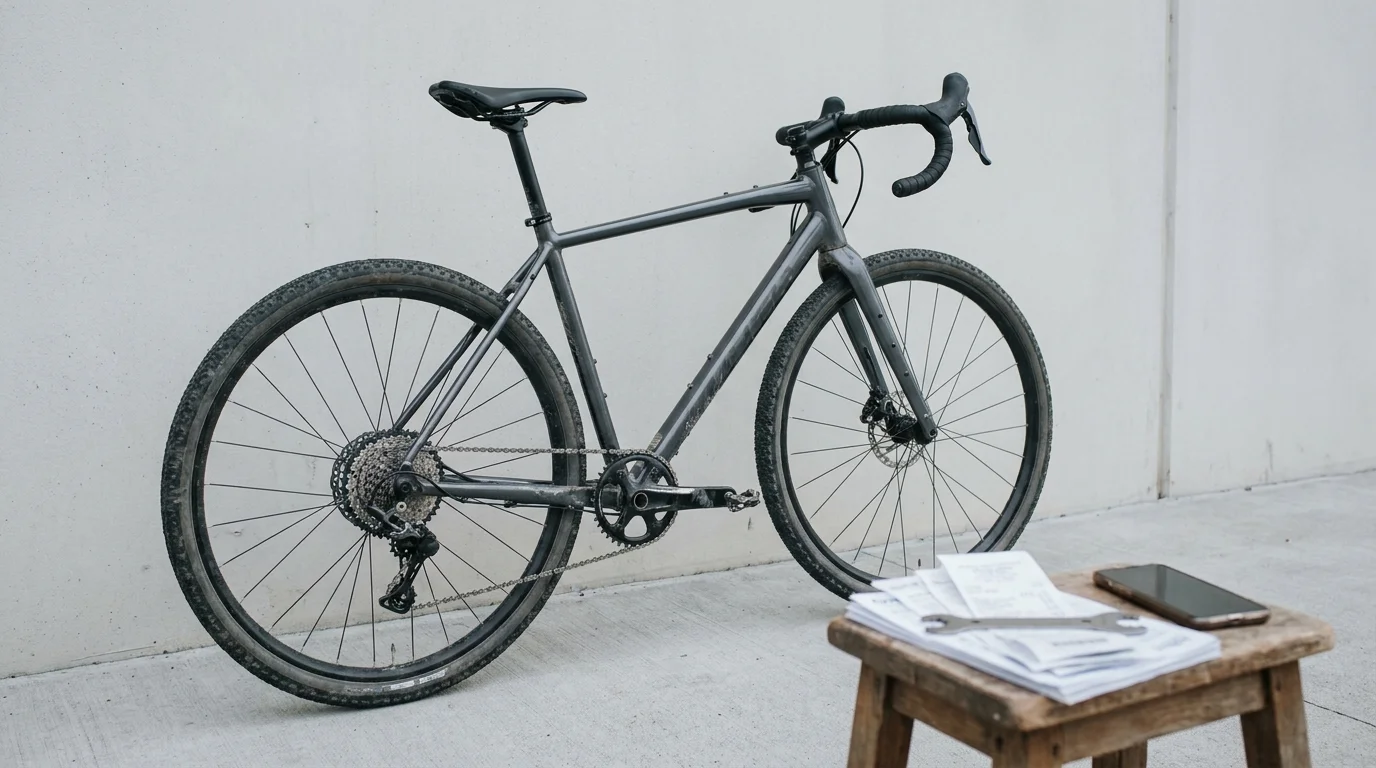
Gravel and muddy rides go a step further: the grit-and-water mix actually becomes an abrasive paste between every chain link, doing most of its damage in the hours after you rack the bike. For those rides, swap the one-hour buffer for a quick rinse-and-dry routine the moment you get home — the five-minute post-ride drill we cover in the chain maintenance guide.
Think of it this way: the rides where you least feel like cleaning are exactly the rides where cleaning matters most. A summer ride in the sunshine? Your bike is probably fine until tomorrow. A rainy winter commute through salted roads? That is where ten minutes of post-ride care saves you hundreds in parts down the line.
The Cascade Effect: Why One Neglected Part Destroys Others
Bicycle components do not fail in isolation. A worn chain stretches gradually, changing the spacing between its links. This forces it to ride higher on cassette and chainring teeth, concentrating load on smaller contact areas. The softer alloys used in premium cassettes — titanium sprockets on high-end Shimano and SRAM groupsets, for example — wear down faster under this misalignment than the hardened steel of a budget cassette would.
The numbers tell a clear story. Riders who replace chains at the recommended 0.5% elongation threshold typically get three to four cassette lifespans out of a single cassette. Riders who wait until the chain skips often need a new cassette at the same time. Over 15,000 kilometres, a proactive approach to chain replacement saves roughly €600–€700 compared to a reactive one — and that is before accounting for chainring wear, derailleur pulley damage, or the cost of an emergency workshop visit mid-season.
This cascade is why tracking component wear matters so much. Without accurate data on how many kilometres each part has covered, you are guessing — and guessing almost always means replacing too late.
Why Spreadsheets and Memory Do Not Work
The cycling industry has long recommended checking your chain with a gauge every few weeks. In practice, most riders do it when they remember — which is usually when something already feels wrong. Research from independent testing labs suggests that riders relying on periodic manual checks replace their chains 20 to 40 percent later than the optimal point.
The problem gets worse if you own more than one bike. A road bike, a gravel bike, and a winter trainer each accumulate wear at different rates depending on conditions. Keeping track of three chains, three cassettes, brake pads across six wheels, and tubeless sealant schedules in a spreadsheet is theoretically possible but practically unsustainable. Entries get forgotten. Columns go stale. By the time you open the file, you have already missed the window.
This is where automated component tracking changes the equation entirely.
How a Component Tracker Pays for Itself
A dedicated tracking platform like WatchMy.Bike connects to your Strava account and updates the mileage on every component after each ride — automatically. No manual logging. No guessing whether your chain has done 2,000 or 4,000 kilometres.
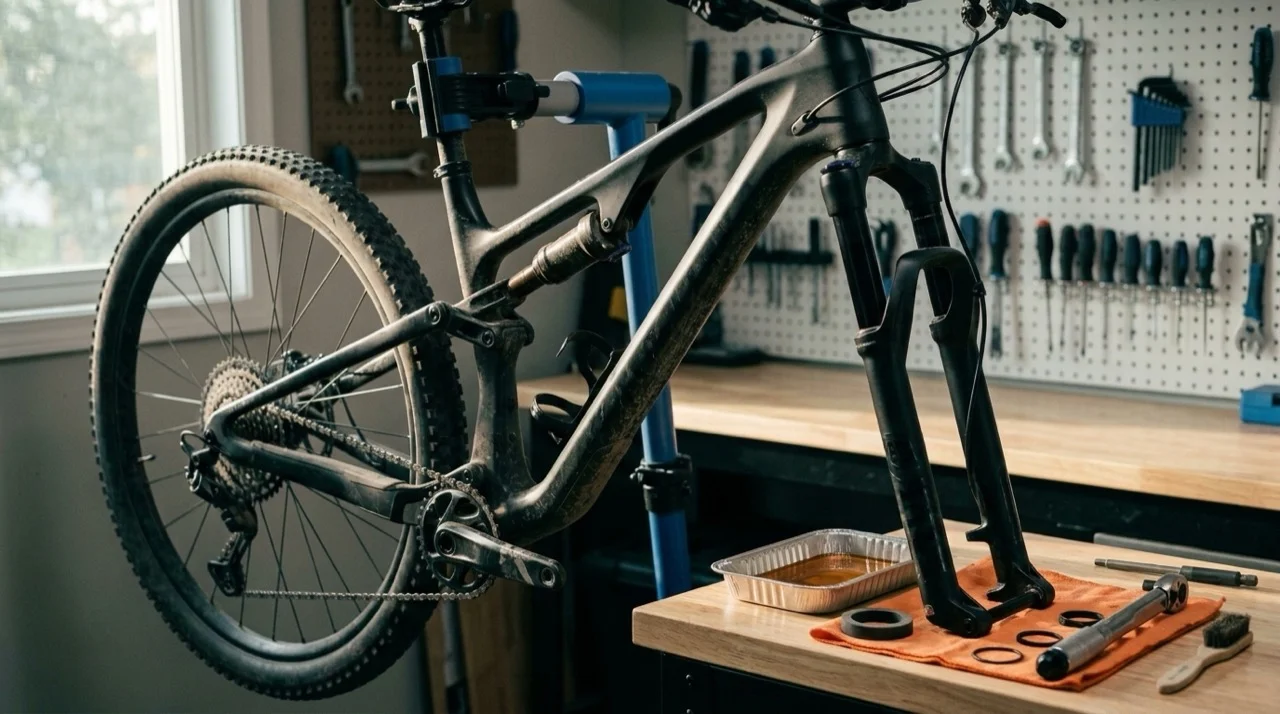
When a part approaches its service threshold, you get alerted before the damage starts. Replace your chain at 0.5% instead of 0.75%, and you protect the expensive cassette sitting behind it. Refresh your tubeless sealant at 90 days instead of discovering it dried out mid-ride. Service your bearings at 5,000 kilometres instead of waiting for the grinding sound that means replacement, not service.
The financial case is straightforward. A single well-timed chain swap — a part costing €30 to €80 — can save you from a premature cassette replacement costing €150 to €1,000 depending on your groupset. Multiply that by every component on every bike you own, and the savings compound quickly. Most riders recover the value of a tracking tool within their first avoided unnecessary repair.
But cost savings are only half the picture. Knowing exactly where each component stands also means you ride with confidence. No nagging doubt about whether your brakes are due for new pads before that alpine descent. No surprise mechanical on race day because a cable snapped at 8,000 kilometres when it should have been swapped at 5,000.
A Simple Routine That Protects Your Investment
The combination of regular cleaning and automated tracking is not complicated. It just needs to be consistent.
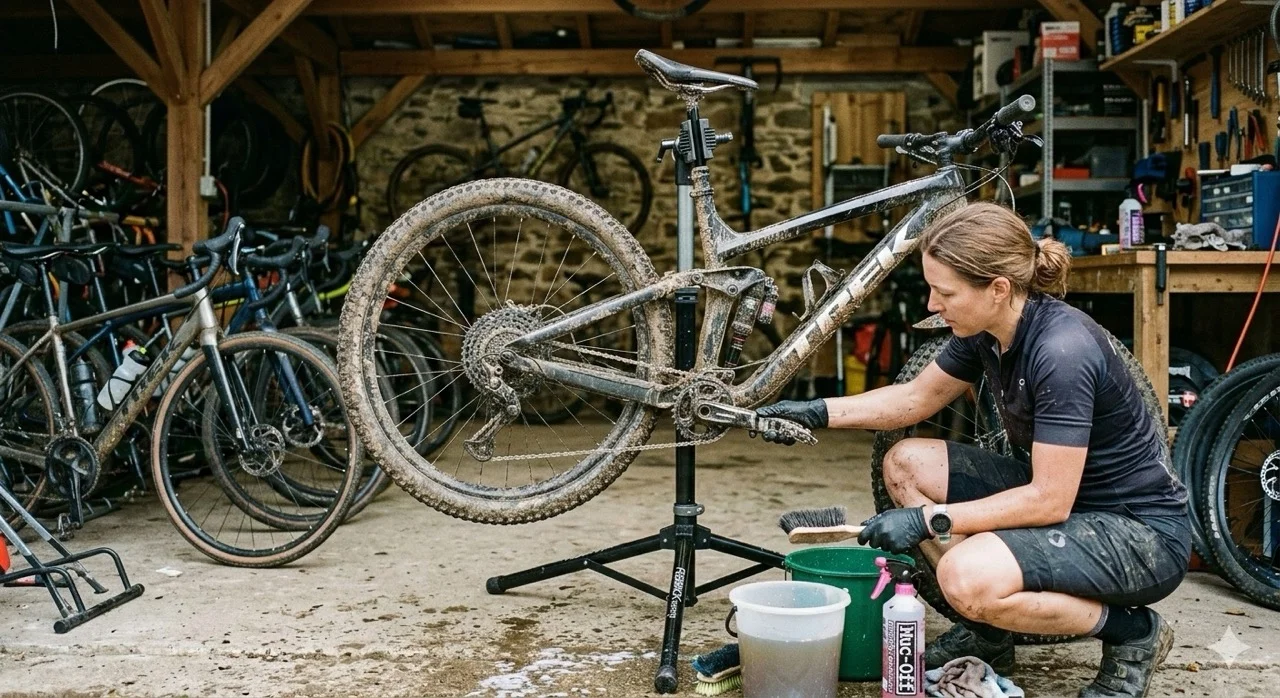
After wet or winter rides: clean your drivetrain the same day. Wipe the chain, degrease if it is visibly dirty, and dry everything properly. Salt and road grime do their worst damage overnight.
After dry rides: a quick wipe of the chain with a dry cloth is enough. Save the full clean for when it is actually needed.
Once a week (or after every few rides): do a proper drivetrain clean — degrease the chain, scrub the cassette, clean the derailleur pulleys, and re-lubricate. Wipe frame surfaces, especially around cables and brakes.
Let your tracker handle the rest: with your Strava rides syncing automatically, WatchMy.Bike monitors the wear clock on every part. When something needs attention, you will know — before your legs or your wallet feel the consequences.
The Cheapest Speed You Will Ever Find
Cyclists routinely spend €1,500 on a wheelset that saves 5 watts. A deep clean and a fresh chain recover the same amount for under €15. A component tracker ensures you never miss the replacement window that turns a €40 fix into a €400 problem.
The maths is not close. Regular cleaning and smart tracking are the highest-return investments available to any cyclist — whether you race crits or commute to work. Your bike is already fast enough. The question is whether you are letting it be.