RockShox Reverb AXS Review: A Dropper Serviced by the Hour

•6 min read
Quick answer: The Reverb AXS is the dropper post for people who hate dropper cables more than they love €600. Seven travel lengths (100–250 mm), three diameters, and a battery that lasts about 60 riding hours. The air-over-air internals carry a 300-hour recommended service interval, and it works every push. The honest catch: the AXS Pod controller is sold separately — my all-in invoice came to €650,73. And you're now charging a seatpost.
Every mechanical dropper eventually develops a personality. The lever gets vague and the return speed changes with the weather. Somewhere in the frame, a cable is quietly fraying at a spot you can't inspect without pulling the post. Routing a dropper cable through a full-suspension frame remains one of the least loved jobs in home mechanics.
The Reverb AXS deletes all of it. No cable, no housing, no internal routing — a battery, a radio, and a post.
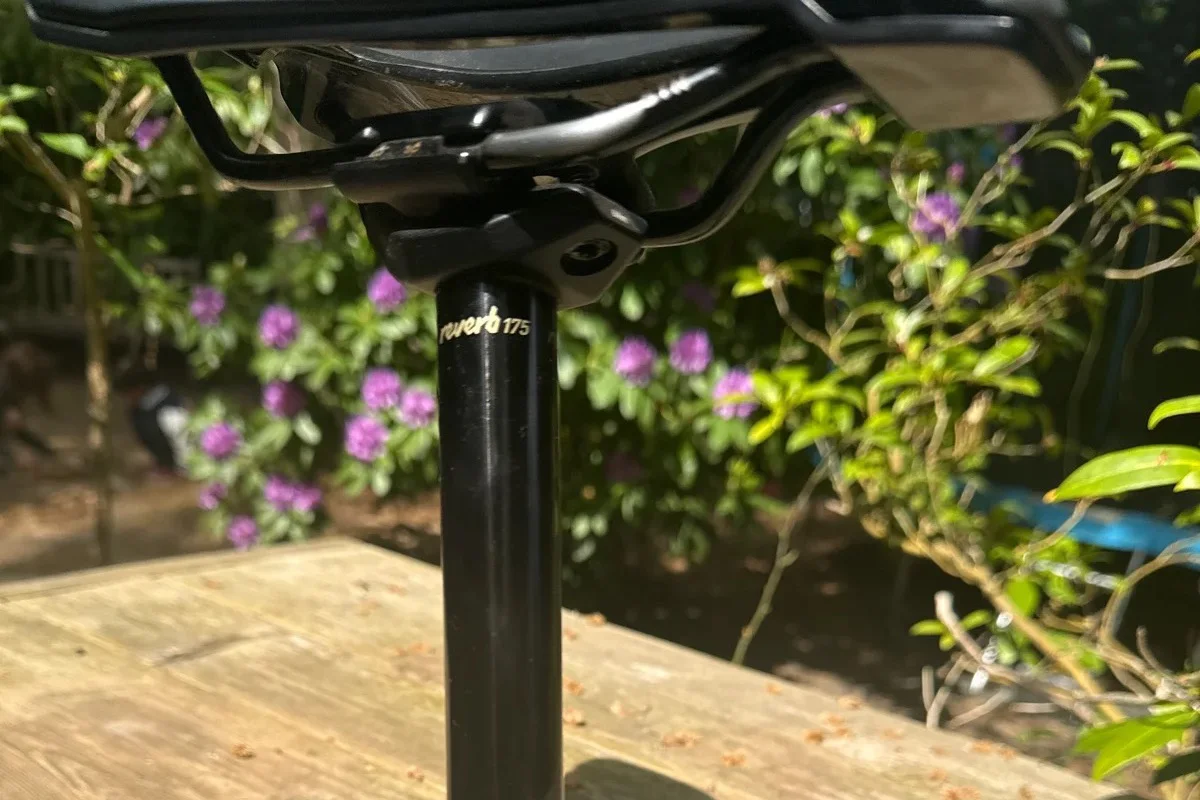
Mine is the 175 mm × 31.6 B1, bought from Bike-Discount in July 2025 and installed on my Cannondale Scalpel. The bill: €518,56 for the post, €132,17 for the left AXS Pod Rocker — €650,73 on one invoice. That second line item is the part the €600 headline price hides. Unless you already run AXS shifting with a spare Pod, the controller is not optional. A year of riding later, the numbers in this review are mine.
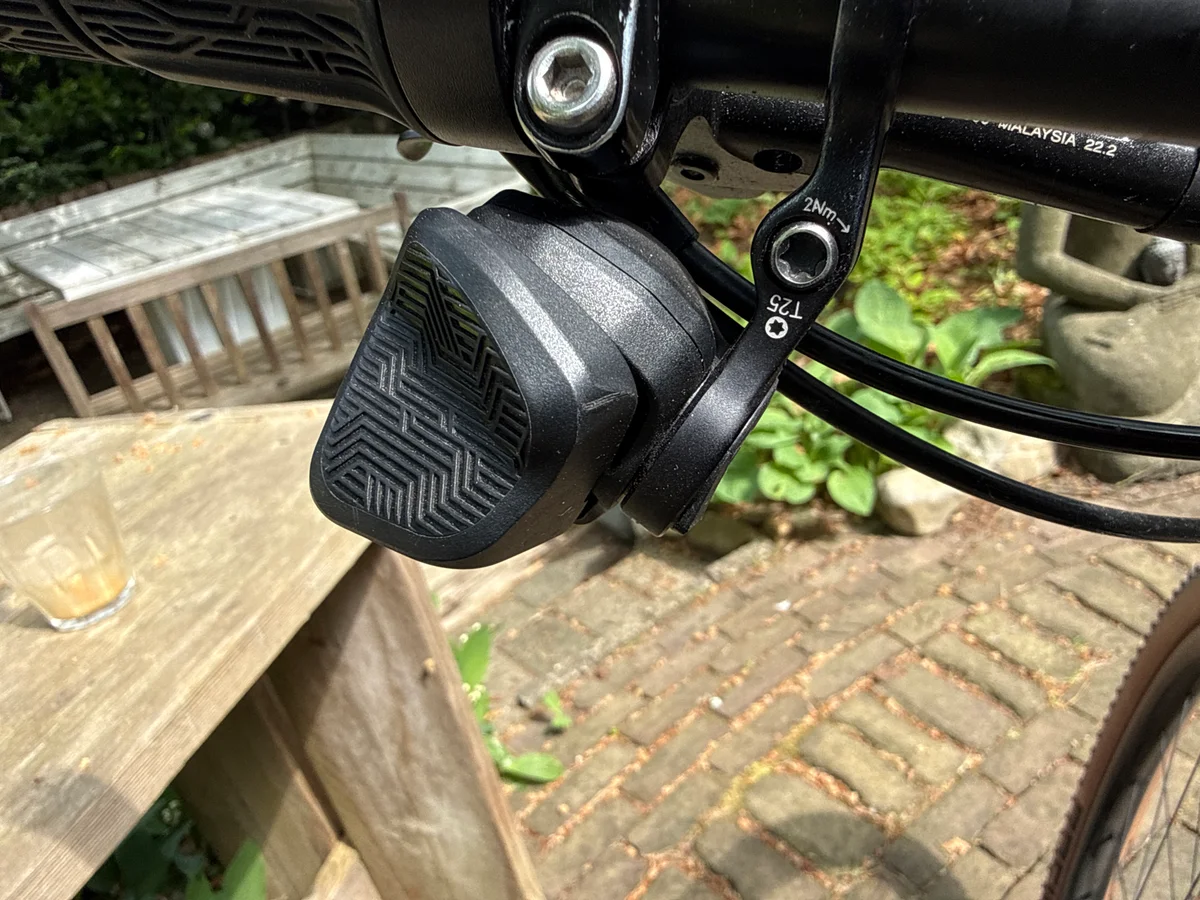
The €132,17 line item: the AXS Pod Rocker. Not optional unless you already run AXS shifting.
I came to it from the other Reverb — a Reverb Stealth C1 with the 1x remote, oil internals, hose routed through the frame. Same 175 mm travel, same 31.6 mm diameter as the AXS that replaced it. A like-for-like swap where the only thing that changed was the mechanism. That post was a nightmare twice over. First the setup: getting the hose through the frame and the remote dialled was the kind of job you plan a free evening around. Then the living with it: the post went wobbly and spongy far sooner than a €400+ component should. There was no real way to prevent that at home — the honest fix was boxing it up and sending it to RockShox. That history is why the cable-free, oil-free pitch worked on me.
What You're Buying
| Spec | Value |
|---|---|
| Travel | 100 / 125 / 150 / 175 / 200 / 225 / 250 mm |
| Diameters | 30.9, 31.6, 34.9 mm |
| Claimed weight | 712 g (200 mm × 31.6, without the 25 g battery) |
| Battery life | ~60 riding hours, 1-hour charge |
| Internals | Air-over-air (no hydraulic cartridge) |
| Service interval | Basic service every 300 riding hours |
| Price | €600 MSRP — AXS Pod controller sold separately |
Specs from the official RockShox product page and RockShox's Reverb AXS welcome guide. The 300-hour interval is confirmed in BikeRadar's 2025 review, which rated it 5/5. RockShox says the battery needs charging roughly once a month for most riders.
Living With the Reverb AXS Battery
The 60-hour battery is the spec that decides whether wireless is freedom or a new chore. Sixty hours is four to eight weeks of normal riding — long enough to forget about, which is exactly the problem. A dead dropper battery doesn't strand you the way a dead derailleur battery does. But a post stuck down at the trailhead ruins the ride just as thoroughly.
A year in, mine has never surprised me flat. My routine is minimal on purpose. I check the battery level once in a while in the AXS app, charge when it looks low, and that's the whole relationship. Firmware updates run through the same app and — a sentence I could never write about the hydraulic Reverb — just work.
The tracking angle: the Reverb AXS is the first component on my bikes where every maintenance number is quoted in riding hours — 60 for the battery, 300 for the service. Your odometer can't answer "how many hours since the last charge?" but ride-synced tracking can. This is the component that makes hour-based intervals stop being theoretical.
The Air-Over-Air Difference
The original Reverb's hydraulic internals were notorious for developing sag and needing bleeds — mine included, as covered above. The current generation swapped to an air-over-air design with no oil cartridge. RockShox pitches it as easier to service, and the recommended basic service moved out to 300 hours. For a part that lives in the dirtiest airflow on the bike, a longer honest interval beats a shorter ignored one.
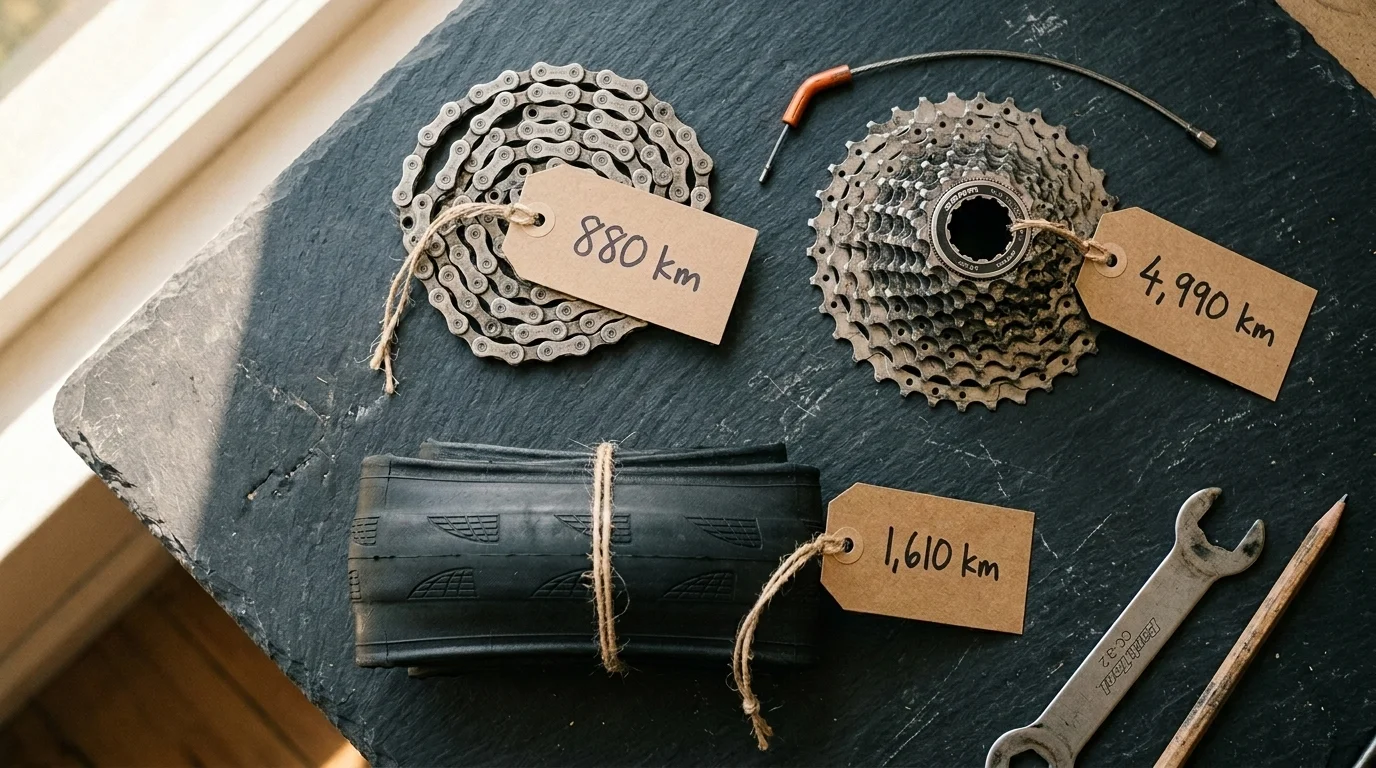
What each part of your bike should last is a chart worth knowing; droppers earn their own row because almost nobody services them until they fail. A dated service record on a €600 post is also exactly the kind of paper trail that holds resale value.
Verdict: A Year Without Thinking About My Seatpost
After the C1, the bar was simple: don't make me think about my seatpost again. A year and one like-for-like swap later, the Reverb AXS has cleared it. Absolutely flawless — every drop, every return. €650,73 is real money for a seatpost, and if your mechanical dropper is behaving, nothing here says replace it. But if you're fighting hose routing or a spongy post, this upgrade deletes the problem category instead of improving it.
How WatchMy.Bike Makes This Automatic
Riding-time intervals are built for exactly this component. WatchMy.bike counts your hours from synced rides, so the two numbers that matter — charge cycle and service clock — run themselves.
Set up these alerts and the Reverb stays boring (the good kind):
- "Charge Reverb battery" — recurring every 50 riding hours, a buffer under the ~60-hour spec
- "Reverb basic service" — recurring every 300 riding hours, per RockShox
- "Check seatpost collar torque" — recurring every 6 months
Set up your first maintenance alert →
FAQ
How long does the Reverb AXS battery last?
About 60 riding hours on a one-hour charge, per RockShox — roughly monthly charging for most riders. In a year mine has never gone flat mid-ride. I glance at the level in the AXS app now and then and charge when it's low.
How often does a Reverb AXS need servicing?
RockShox's recommended basic service is every 300 riding hours for the current air-over-air generation. Note the unit: the interval is written in riding time, not kilometres, so a ride-synced hour counter is the honest way to know where you stand.
Do I need anything else to run the Reverb AXS?
Yes — a controller. The post pairs with an AXS Pod, sold separately (€132,17 on my invoice), unless you already run an AXS drivetrain with a spare paddle. Budget the all-in price, not the post price.
Questions about going wireless? Reach out at marien@WatchMy.Bike.